





Industrial Composite Dust Collection & Extraction Systems
Industrial Composite Dust Collection & Extraction Systems
[Get a Free Application Quote]
As composite materials grow increasingly durable, lightweight, and cost-effective, their integration across the aerospace, automotive, marine, and defense manufacturing sectors continues to surge. However, manipulating these complex substrates via CNC machining, sanding, cutting, routing, or abrasive finishing releases fine, lightweight, and often fibrous dust particulates. The risk of exposure to composites can vary depending on the smoke, fume, debris or dust created from production processes that utilize composites. Left unmitigated, airborne composite particles can trigger strict safety compliance penalties, degrade plant electronics, and pose severe respiratory hazards if inhaled by your workforce.
Combustible and Toxic Hazards of Carbon Fiber & Fiberglass Dust
Many advanced manufacturing composites such as Carbon Fiber Reinforced Polymers (CFRP) and fiberglass generate a dual hazard during processing. Fine polymer and carbon dust clouds are highly conductive and explosive when suspended in enclosed volumes. Meanwhile, fine glass fibers can irritate deep lung tissue. It is critical to capture and contain these microscopic particles directly at the point of generation before they cross-contaminate your shop environment.
Source Capture & Containment Solutions
Micro Air offers a versatile fleet of industrial air filtration systems specifically engineered to isolate and capture unstable composite dust fields at the source:
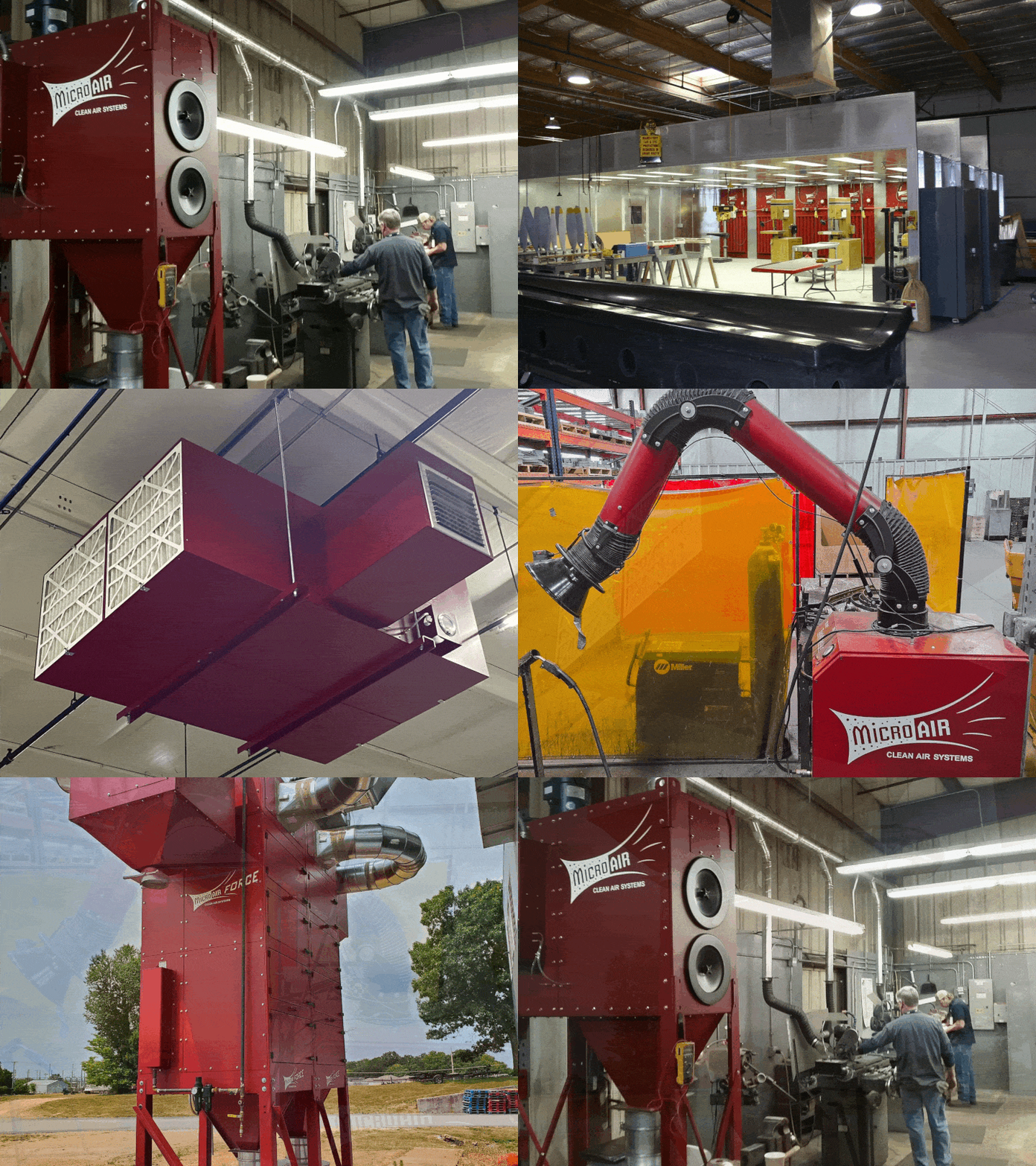
- Micro Air Clean Air Booths (CAB): Self-contained, ductless cross draft environmental structures that give operators complete physical freedom during large-scale sanding, trimming, or grinding cycles.
- Industrial Downdraft Tables: Integrated workstations that use high-velocity downward airflow to pull heavy, abrasive sanding dust away from the operator's breathing zone instantaneously.
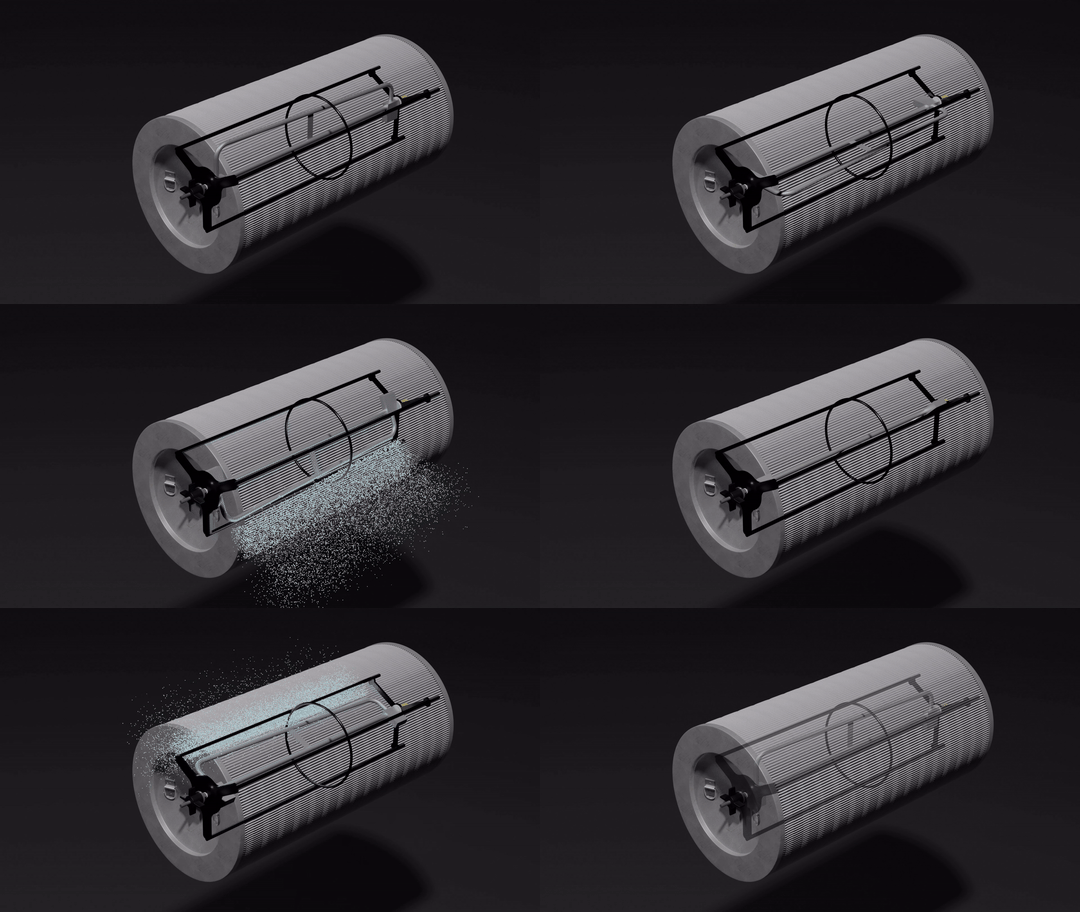
- FRP FORCE™ Dry Cartridge Collectors: Premium, ledge-less central collection units utilizing Roto-Pulse® filter cleaning to continually dislodge sticky or static-laden composite dust without filter blinding.
- High-Performance Portable Air Cleaners: Flexible units equipped with adjustable, localized source capture arms to track variable manual tooling layouts.
Custom-Engineered Plant Ventilation Layouts
Because carbon fibers, polymers, and resins vary heavily in aerodynamic weight and chemical composition, a standardized ventilation approach often fails to sustain optimal air change rates. Micro Air’s factory-trained network of Engineered Systems Distributors will evaluate your particular tooling types, calculate proper air-to-cloth filter ratios, and install a custom compliance layout designed to maximize equipment life and ensure a clean shop environment.
Request a Composite Extraction System Assessment & Quote